
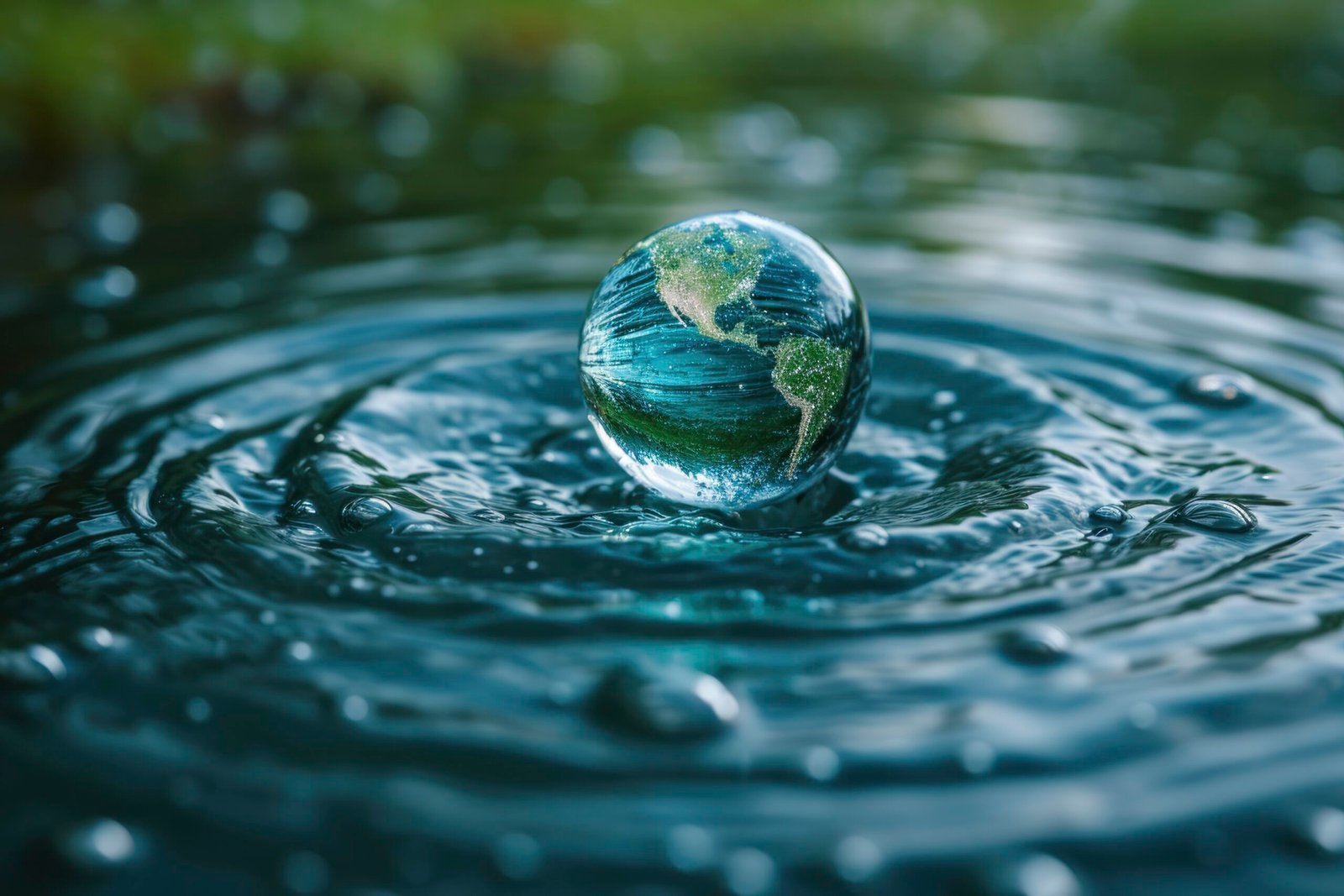
Introduction to Environmental Compliance
Environmental compliance might sound like a heavy legal term, but at its core, it’s really about responsibility. It’s about making sure our actions whether as businesses, organizations, or individuals don’t harm the environment beyond what the law allows. In a world facing climate change, pollution, and shrinking natural resources, compliance is no longer optional; it’s essential.
What Is Environmental Compliance?
Environmental compliance simply means following environmental laws, regulations, standards, and requirements set by authorities. These rules are designed to protect air, water, land, wildlife, and human health. Think of it like traffic rules for the planet—ignore them, and accidents are bound to happen.
Why Environmental Compliance Matters Today
Why should beginners care? Because environmental damage doesn’t stay local anymore. Pollution travels, ecosystems collapse, and the consequences hit everyone. Compliance helps prevent environmental harm, avoids legal trouble, and builds trust with customers, communities, and regulators.
Understanding Environmental Laws and Regulations
Environmental regulations exist at multiple levels, and understanding this structure makes compliance far less intimidating.
Global Environmental Regulations
International Treaties and Agreements
On a global scale, agreements like the Paris Agreement or the Kyoto Protocol guide countries toward reducing environmental harm. While individuals don’t follow these directly, they influence national laws that businesses and citizens must obey.
National and Local Environmental Laws
Role of Government Agencies
Each country has agencies responsible for enforcing environmental laws. These agencies issue permits, conduct inspections, and apply penalties. Local governments often add extra rules tailored to regional environmental concerns.
Who Needs to Comply With Environmental Regulations?
Businesses and Industries
Manufacturing, construction, energy, agriculture—these industries face the strictest requirements because their activities directly impact the environment.
Small Businesses and Startups
Even small operations generate waste, use energy, or discharge water. Compliance applies here too, just usually on a smaller scale.
Individuals and Communities
From waste disposal rules to water usage restrictions, individuals also play a role in environmental compliance every day.
Key Areas of Environmental Compliance
Environmental compliance covers several core areas, each focusing on a different aspect of environmental protection.
Air Quality Regulations
These rules limit emissions from factories, vehicles, and equipment to protect public health and reduce climate impact.
Water Protection and Wastewater Management
Regulations ensure that wastewater is treated properly before being released into rivers, lakes, or oceans.
Waste Management and Recycling
Proper handling, storage, recycling, and disposal of waste prevent soil and water contamination.
Hazardous Materials Handling
Chemicals, fuels, and toxic substances require strict controls to prevent accidents and exposure.
Land Use and Soil Protection
These regulations protect land from contamination, erosion, and overdevelopment.
Environmental Compliance in Business Operations
Compliance isn’t a one-time task—it’s an ongoing process built into daily operations.
Environmental Impact Assessments
Before starting major projects, organizations often assess how their activities will affect the environment and how risks can be reduced.
Permits, Licenses, and Approvals
Many activities require official permission. These permits outline limits, conditions, and monitoring requirements.
Monitoring, Reporting, and Documentation
Regular monitoring and accurate records prove compliance and help identify issues early.
Common Environmental Compliance Challenges
No beginner gets everything right immediately—and that’s okay.
Understanding Complex Regulations
Environmental laws can feel like a maze. They’re detailed, technical, and sometimes hard to interpret.
Cost and Resource Constraints
Compliance may require investments in equipment, training, or consultants, which can strain budgets.
Keeping Up With Regulatory Changes
Environmental regulations evolve constantly as science and policies advance.
Steps to Achieve Environmental Compliance
The good news? Compliance is manageable when approached step by step.
Conducting Environmental Audits
Audits identify gaps between current practices and legal requirements.
Developing an Environmental Management System
An EMS provides structure, responsibilities, and procedures for ongoing compliance.
Employee Training and Awareness
People can’t follow rules they don’t understand. Training turns compliance into habit.
Continuous Improvement Strategies
Compliance isn’t about perfection—it’s about progress and learning from mistakes.
Tools and Technologies for Environmental Compliance
Technology has made compliance far less painful than it used to be.
Compliance Management Software
These tools track permits, deadlines, audits, and reports in one place.
Monitoring and Measurement Tools
Sensors, meters, and automated systems provide real-time environmental data.
Consequences of Non-Compliance
Ignoring compliance is like ignoring a leaky roof—it only gets worse.
Legal Penalties and Fines
Violations can result in heavy fines, shutdowns, or legal action.
Reputational Damage
Environmental scandals erode trust faster than almost anything else.
Environmental and Social Impact
Non-compliance harms ecosystems, communities, and future generations.
Benefits of Environmental Compliance
Compliance isn’t just about avoiding punishment—it brings real advantages.
Business Sustainability and Growth
Responsible practices attract investors, customers, and partners.
Cost Savings and Efficiency
Reducing waste and energy use often lowers operating costs.
Trust, Transparency, and Brand Value
Compliance builds credibility and long-term loyalty.
Environmental Compliance and Sustainability
Compliance vs. Sustainability
Compliance is the baseline—sustainability goes beyond it. But one supports the other.
How Compliance Supports Long-Term Environmental Goals
Strong compliance systems create a foundation for sustainable innovation.
Best Practices for Beginners
Starting out doesn’t require perfection—just commitment.
Start Small and Stay Consistent
Focus on key risks first and improve gradually.
Work With Experts and Consultants
Sometimes, outside guidance saves time and money.
Build a Compliance Culture
When everyone takes responsibility, compliance becomes second nature.
Future Trends in Environmental Compliance
The future of compliance is evolving fast.
Digital Transformation
Automation, AI, and data analytics are reshaping compliance management.
Stricter Regulations and ESG Reporting
Environmental, Social, and Governance reporting is becoming standard.
Climate Change and Carbon Management
Carbon tracking and reduction are moving to the center of compliance efforts.
Conclusion
Environmental compliance may seem overwhelming at first, but it’s really about doing the right thing—consistently. For beginners, understanding the basics, taking small steps, and building good habits can make compliance not just achievable, but beneficial. In the long run, protecting the environment protects businesses, communities, and our shared future.
FAQ’s
Start by identifying which environmental regulations apply to your activities.
No, small businesses and individuals also have compliance responsibilities.
Penalties vary, but proactive reporting and corrective action can reduce consequences.
They evolve regularly, so staying informed is crucial.
Yes, efficient resource use and waste reduction often lower long-term costs.